Our History
Transforming survivors of human trafficking into change makers.
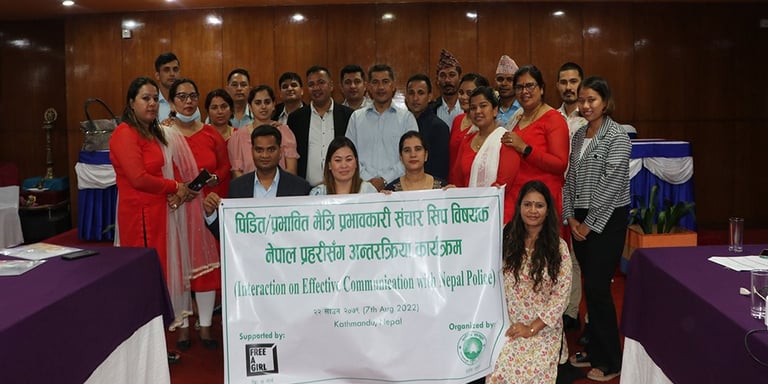
Shakti Samuha was founded on a powerful and deeply personal vision: to transform survivors of human trafficking into leaders of change. Established in 1996 by a group of women who had themselves endured trafficking and exploitation, the organization emerged from resilience, solidarity, and a determination to prevent others from facing the same fate.
From the Founder and Anti-human trafficking activist Charimaya Tamang

In its early days, Shakti Samuha operated informally, offering peer support, safe shelter, and guidance to returning survivors who were often stigmatized and excluded from their communities. With limited resources but unwavering commitment, the founders began advocating for recognition of trafficking as a serious human rights violation in Nepal.
Over time, the organization evolved into a nationally recognized force in anti-trafficking efforts. It formally registered in 2000, marking a significant milestone in its journey toward structured programs and broader outreach. Since then, Shakti Samuha has expanded its work to include prevention campaigns, legal advocacy, rehabilitation services, and economic empowerment initiatives for survivors.
A defining feature of the organization is its survivor-led approach. The leadership and staff include individuals with lived experience, ensuring that programs are grounded in empathy, dignity, and practical understanding. This approach has strengthened trust within communities and amplified the voices of survivors in national and international forums.
Today, Shakti Samuha continues to work toward a society free from trafficking, where survivors are respected, empowered, and fully reintegrated. Its history is not just a timeline of growth, but a testament to courage, collective action, and the enduring belief that change is possible when those most affected lead the way.
Address
Sukedhara, Kathmandu | Nepal
Contact
+977-1-4578117
shaktisamuha.nepal@gmail.com
Subscribe to our newsletter
Shakti Samuha is an NGO registered in Nepal.